
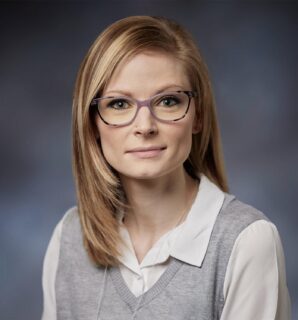
VANESSA WELCH-PEMBERTON belongs to a growing group of people who didn’t learn they had attention-deficity/hyperativity disorder (ADHD) until well into adulthood. The signs had been there since childhood, but because her symptoms were primarily inattentive rather than hyperactive, they didn’t fit the picture most people associate with ADHD. Instead of receiving support, she was repeatedly told she simply needed to try harder.
That message shaped her for years. Vanessa became a perfectionist, pushing herself to meet expectations through sheer effort while constantly searching for new ways to learn, retain information and get things done. Eventually, that exhausting balancing act took a toll on her mental health. “I constantly sought new ways to learn, to retain information and to perform,” she says. “My strenuous efforts to mask and cope with my symptoms inevitably led to anxiety and depression.”
Her diagnosis finally came in adulthood, prompted by the overwhelming demands of becoming a new mother. It’s a familiar story: Many adults with undiagnosed ADHD don’t get answers until life presents challenges that their usual coping strategies can no longer manage. “It was like a warm breeze swept over me and my whole life suddenly made sense,” she says. “Understanding my brain better, I was able to give myself compassion and to begin, at last, to learn how to problem-solve more effectively.”
Vanessa is quick to point out that ADHD looks different for everyone. For her, restlessness is a constant companion, even without full-blown hyperactivity. Sitting still for long periods creates an internal itch she finds difficult to ignore.
Money management is another challenge. Despite understanding the importance of budgeting and saving, impulsive spending can still get the better of her. Sensory input can also become overwhelming. Loud sounds, strong smells, bright lights and certain textures can quickly add up. Disneyland, she says, is a perfect example of a place that can overwhelm her senses all at once. When sensory overload hits — or when too many demands come at her simultaneously — her patience can wear thin quickly.
Then there’s the flip side: hyperfocus. When something genuinely interests her, Vanessa can become completely absorbed, losing track of everything else on her agenda. “If I’m interrupted while engaged this deeply,” she explains, “I get mad and frustrated and find it difficult to come back to the task, because by then, I’m engaged in something new.”
Managing her ADHD, Vanessa says, has meant combining medication and behavioral, emotional and cognitive adjustments, along with increased self-awareness. “A lifetime of therapy has helped me learn skills to address and cope with anxiety and depression,” she notes. “This has made a huge difference, because it has simplified my ADHD management.”
Since beginning her treatment plan, Vanessa says the improvements have been noticeable. She multitasks less, feels less on edge and doesn’t experience the same wall of exhaustion by evening. Starting and completing tasks, managing her schedule and finances, and regulating her emotions have all become more manageable. She was also surprised to find that her physical health has improved; frequent stomach aches and headaches have eased. As she later learned, these physical symptoms are common issues for people living with ADHD.
Beyond medication and therapy, a daily practical habit has made a significant difference for Vanessa: Keeping a planner open on her desk where she can see it as soon as she sits down each morning encourages her to stay focused and grounded. That physical reminder, she notes, helps anchor her day.
Educating herself about ADHD has also been key. Learning more about her diagnosis has helped Vanessa understand and accept the symptoms that plagued her throughout her life, while giving her the language to explain them to the people closest to her. That understanding has strengthened her relationships, both because family and friends now know how to support her. It’s also empowered Vanessa to take greater responsibility for managing her symptoms as they occur, rather than expecting others to compensate for them.
For Vanessa, an ADHD diagnosis wasn’t the end of the story — it was the beginning of a journey toward understanding herself in a new way. After years of being told to try harder, she now has a framework for understanding herself and the ability to replace self-blame with compassion. “I struggle and I thrive,” she says. “This may look different than it does for someone without a neurodevelopmental disorder or mental illness, but it’s the same beautiful process of growth.”