Industry News
Research, Science & Manufacturer Updates
Cancer Articles
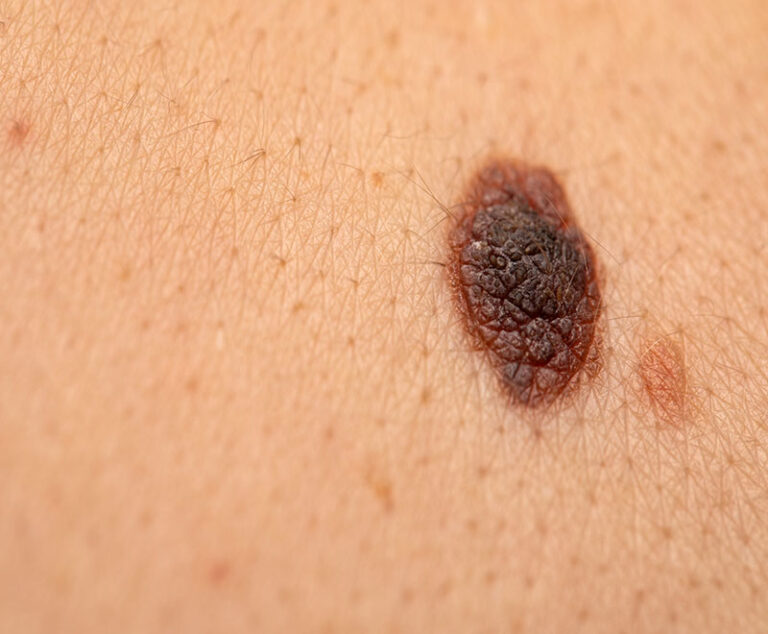
A study has found the combination of a vaccine and a drug, which both harness the immune system to attack cancer cells, is successful in cutting the risk of skin cancer recurrence and death by 49 percent.
The U.S. Food and Drug Administration has approved KEYTRUDA QLEX (pembrolizumab and berahyaluronidase alfa-pmph) injection for subcutaneous administration in adults across most solid tumor indications for KEYTRUDA (pembrolizumab).
A clinical tria that evaluated an alpha-lactalbumin (aLA) vaccine demonstrated an immune response in 74 percent of patients who presently have or are at high risk for triple-negative breast cancer.
Researchers have developed an inhalable nanotherapy called BEAT (Bispecific Exosome Activator of T Cells) that can activate the immune system against cancers resistant to current checkpoint inhibitor therapies.
The U.S. Department of Health and Human Services has doubled funding for its Childhood Cancer Data Initiative at the National Institutes of Health
The U.S. Food and Drug Administration has approved KEYTRUDA and KEYTRUDA QLEX in combination with Padcev, as neoadjuvant treatment and then continued after cystectomy as adjuvant treatment, for the treatment of adult patients with muscle-invasive bladder cancer who are ineligible for cisplatin-based chemotherapy.
Researchers re-engineered the structure of the commonly ussed chemotherapy drug 5-fluorouracil (5FU) into that of a “spherical nucleic acid” — a nanostructure that weaves the drug directly into DNA strands coating tiny spheres, making its cancer cell-killing ability 20,000 more effective, while also reducing its toxicity.
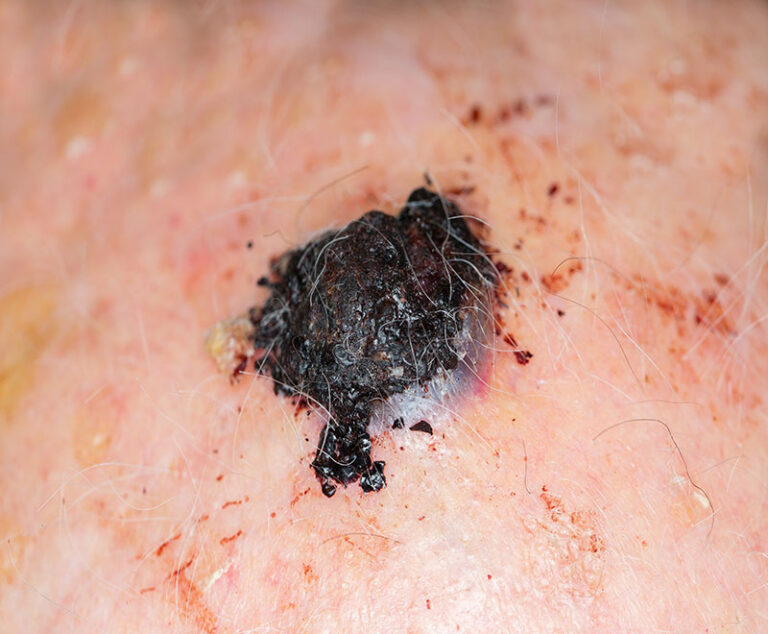
Early data from a Phase II clinical trial show a combination of immunotherapy medications can activate a robust immune response and help overcome treatment resistance in patients with refractory melanoma.
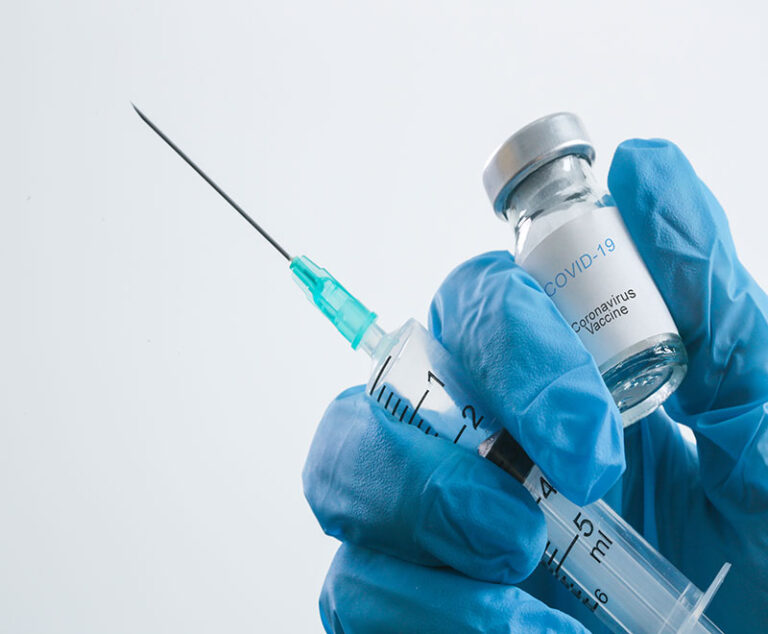
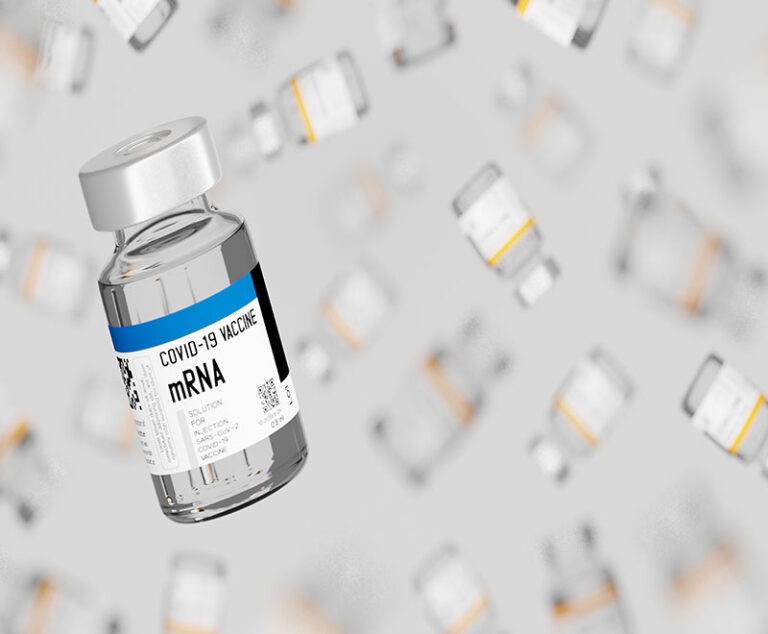
A study has found that for patients with certain types of advanced lung or skin cancer, administration of a SARS-CoV-2 mRNA vaccine within 100 days of starting immune checkpoint inhibitors is associated with increased overall survival.
New research has found that patients with advanced lung or skin cancer who received a COVID-19 mRNA vaccine within 100 days of starting immunotherapy drugs lived significantly longer than those who did not get the vaccine.
Early clinical and preclinical results are showing that an experimental mRNA and nanoparticle vaccine produced measurable immune responses against pancreatic cancer, and that in small patient groups, those immune responses correlated with delayed recurrence or prolonged survival.
The U.S. Food and Drug Administration has granted fast track designation for Greenwich LifeSciences’ lead immunotherapy candidate GLSI-100 in HLA-A*02–positive, HER2-positive breast cancer patients who have completed standard HER2-targeted therapy.