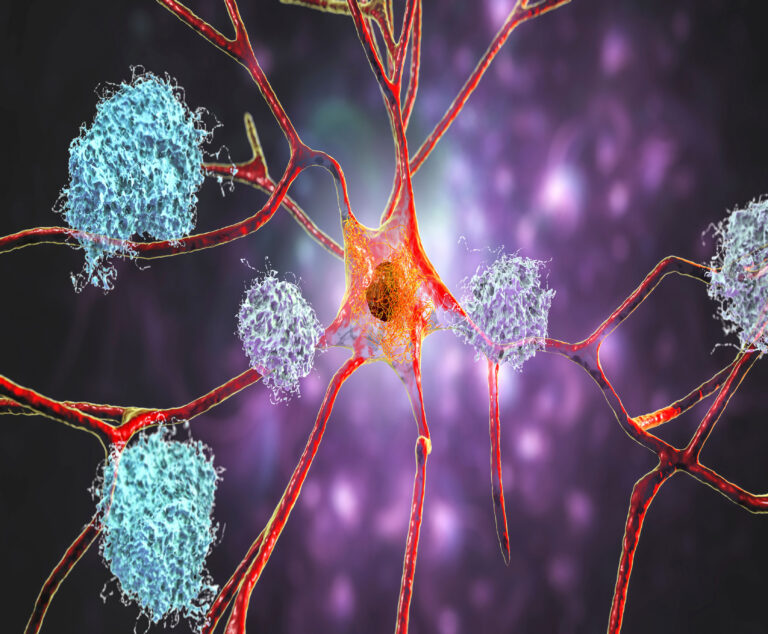
The Bacillus Calmette-Guérin accine may alter immune activity around the brain and change levels of a protein closely associated with Alzheimer’s disease in older adults without evidence of the condition.
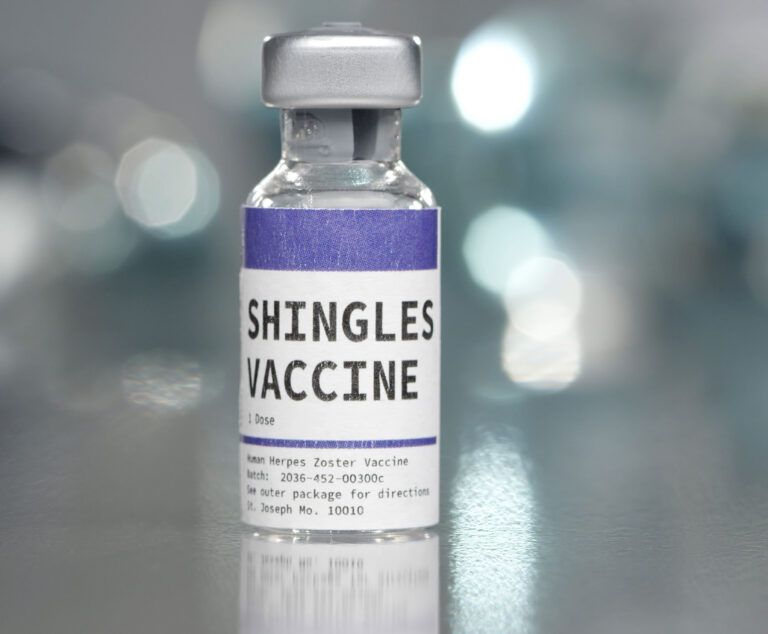
According to a cohort study using target trial emulation, older adults at higher risk for dementia are less likely to have a dementia diagnosis if they received a herpes zoster (shingles) vaccine.
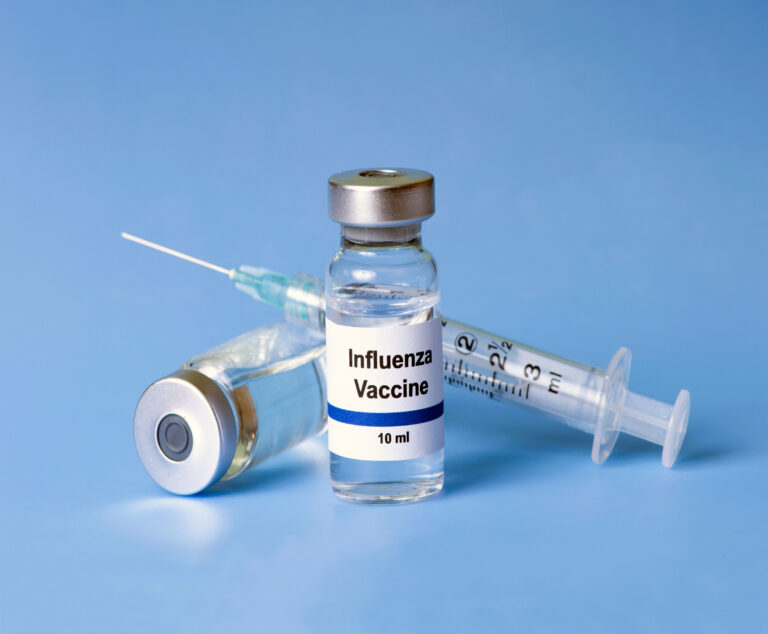
Researchers have found that adults 65 and older who received a high-dose influenza vaccine had a significantly lower risk of developing Alzheimer’s disease compared to those who received the standard dose.
A recent study has found intravenous immune globulin (IVIG) therapy in infants with hemolytic disease of the fetus and newborn (HDFN) found that it could be beneficial.
According to a recent study, adding intravenous methylprednisolone to intravenous immune globulin induction therapy does not significantly increase remission rates among patients with chronic inflammatory demyelinating polyradiculoneuropathy.
The U.S. Food and Drug Administration has granted a designation as breakthrough therapy to Wayrilz (rilzabrutinib), a novel oral, reversible Bruton’s tyrosine kinase inhibitor, for the treatment of patients with warm autoimmune hemolytic anemia.