
Breaking the Cancer Code

Scientific breakthroughs using gene therapy are allowing physicians to take a “precision medicine” approach to treating cancer — with promising results.
Superbugs: Reducing the Serious Threat of Hospital-Acquired Infections

Hospital-acquired infections remain a deadly threat, but the Centers for Disease Control and Prevention in partnership with other healthcare agencies and professionals are working to lower the rates of HAIs with some degree of success.
Hydroxyethyl Starch in Critically Ill Patients: The Verdict Is In

For resuscitation of patients with sepsis, the verdict is in: Hydroxyethyl starch products increase the risk of acute kidney injury and death.
Shocking: A “Newer” Hetastarch Product Is Nephrotoxic and Deadly in Severe Sepsis
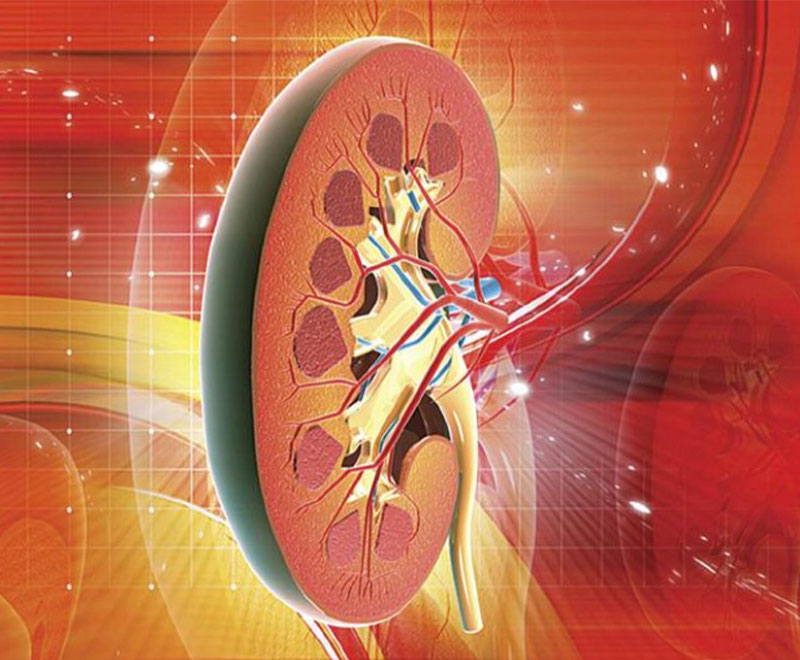
6% hydroxyethyl starch products have been touted as a less-expensive alternative to 5% human albumin for blood volume expansion, but recent published evidence shows that it comes at a price for selected populations.
Autoimmune Diseases: Exploring Treatment Options

With the rising rates of autoimmune disease, the quest is on to research and develop new medicines to treat patients who often present with multiple disorders.
Blending Alternative and Mainstream Therapies

From dietary supplements and acupuncture to yoga and meditation, many on-the-fringe interventions are becoming more accepted by patients and practitioners.
Companion Diagnostics: The Future of Personalized Medicine

Pairing genetic testing with treatment therapies helps physicians deliver better care to patients by identifying which therapies will be the most effective at specific doses.
Individual IG Dosing

Studies that examine the relationships between therapeutic doses of IG, trough IgG levels and infection rates shed new light on how IG replacement therapy should be prescribed for individuals.
The State of Acquired Hemophilia

Treatment for this difficult-to-diagnose form of hemophilia has to be individualized for each patient, but the prognosis is often good.
Cancer Treatment and Care: Promising Next Steps
From genetic assessment and prediction modeling to the study of genetics and genomics and the formulation of palliative care and self-management plans, the search for better cancer treatment and care is progressing rapidly.