
Childhood Vaccine Refulsal: The Bad Outcomes of Good Intentions

Childhood vaccines are widely recognized as safe, but a growing minority of parents are choosing not have their children immunized.
Influenza Vaccination: What’s New with the Flu?

Recent U.S. Food and Drug Administration advisory committee strain recommendations could make this season’s influenza (flu) vaccine more effective than ever. But, will an epidemic of public apathy undermine immunization efforts?
Evolving Technology in Vaccine Administration

Some promising new methods for how vaccines are administered may soon eliminate many of the problems encountered by the healthcare industry.
Influenza Vaccine: A Universal Game Changer?

The efficacy of influenza (flu) vaccines has been greatly improved over the past several decades, but the flu virus still severely sickens hundreds of thousands of individuals each year. Is it possible that scientists have discovered a way to change that?
Flu Vaccine Given in the Morning Could Be More Effective

Researchers found that flu vaccines are more effective when given in the morning because patients’ immune systems are capable of producing more antibodies in response to the vaccine in the first part of the day.
Potential Tobacco-Based Vaccine Could Rival Egg-Based Vaccines

A new tobacco-based seasonal influenza vaccine being developed by Mitsubishi Tanabe Pharma and currently in Phase III studies could potentially rival traditional chicken egg-based vaccines.
Malaria Vaccine Candidate Generates Robust Immune Response
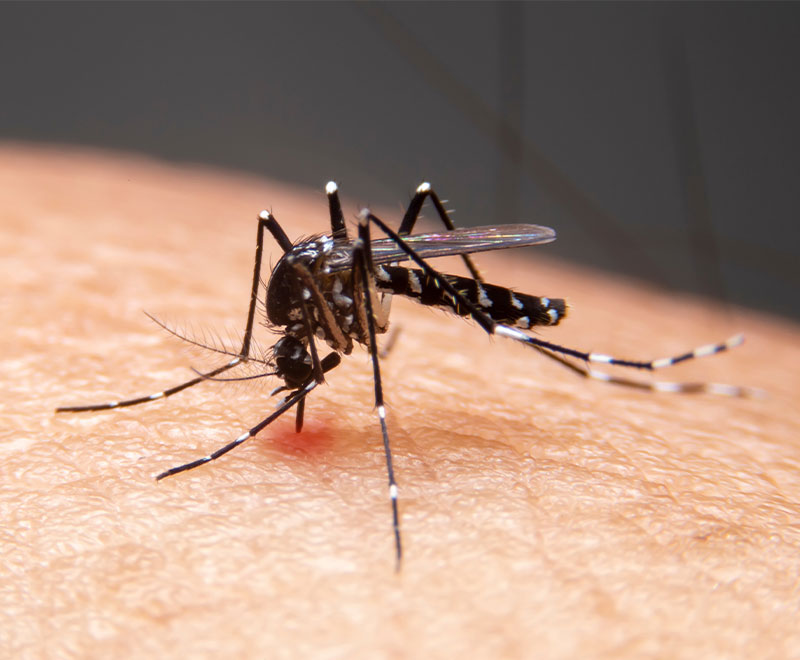
Findings from a first in-human study for a new malaria vaccine candidate have shown a robust immune response while significantly delaying parasitemia.
2015-16 Flu Vaccine Is Nearly 60 Percent Effective

Preliminary overall 2015-16 influenza vaccine effectiveness was 59 percent, according to the Centers for Disease Control and Prevention.
New Type of Sound Wave May Allow for Inhalable Vaccines

A new form of hybridized sound waves developed by Australian researchers may allow drugs and vaccines to be delivered to the body through a nebulizer in a fine mist inhaled into the lungs.
Studies Suggest Flu Vaccine Is Long-Lasting and Reduces Hospitalizations

Two studies presented at the International Conference on Emerging Infectious Diseases show that the influenza vaccine can protect for six months, last throughout the flu season and reduce hospitalization in children.