Industry Insight
Information, Observation & Analysis
Vaccines Articles
Research is paving the way for new preventive vaccines for many different illnesses.
Parents who choose not to vaccinate their children reduce the community immunity threshold that can result in a return of preventable diseases.
The best defense against influenza remains annual immunization against emergent influenza strains.
Suboptimal adult vaccination rates are spurring increased awareness and efforts to improve access to important vaccines.
Vaccine shortages do occur, but plans are in place to help mitigate them and to lessen their impact on both public and private sectors.
Approximately one million cases of shingles are reported annually in the U.S., and half of individuals over age 85 years are likely to develop shingles. The need for a vaccine that can provide protective immunity against shingles and PHN in older at-risk adults is clear.
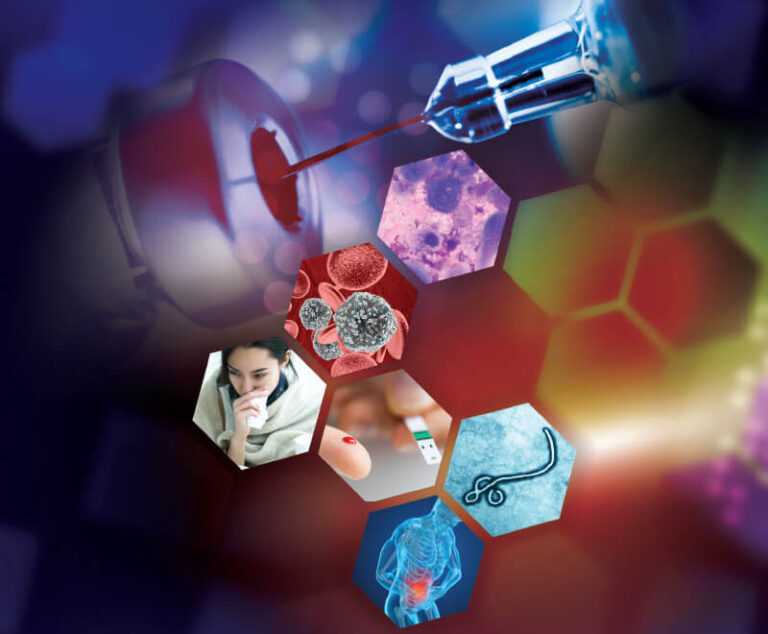
Vaccination against these four specific diseases is recommended prior to travel to endemic areas.
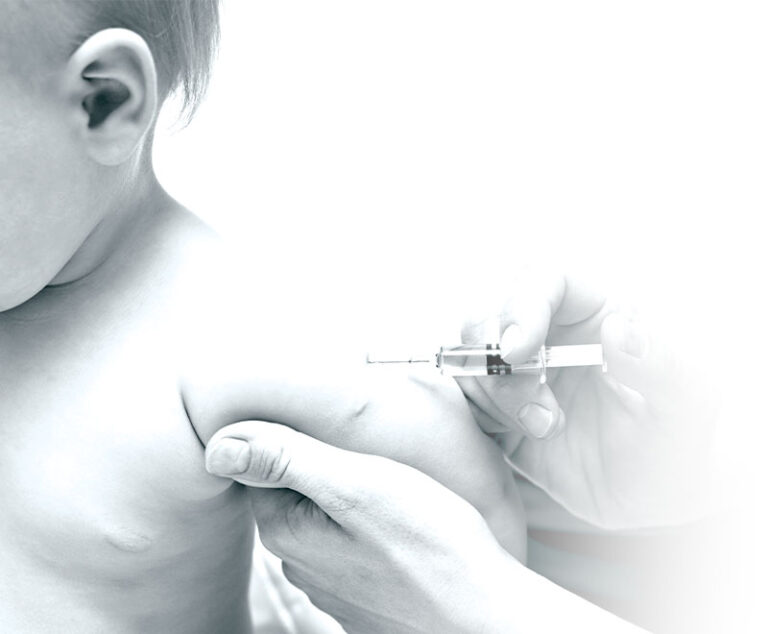
Childhood vaccines are widely recognized as safe, but a growing minority of parents are choosing not have their children immunized.
Recent U.S. Food and Drug Administration advisory committee strain recommendations could make this season’s influenza (flu) vaccine more effective than ever. But, will an epidemic of public apathy undermine immunization efforts?
The efficacy of influenza (flu) vaccines has been greatly improved over the past several decades, but the flu virus still severely sickens hundreds of thousands of individuals each year. Is it possible that scientists have discovered a way to change that?
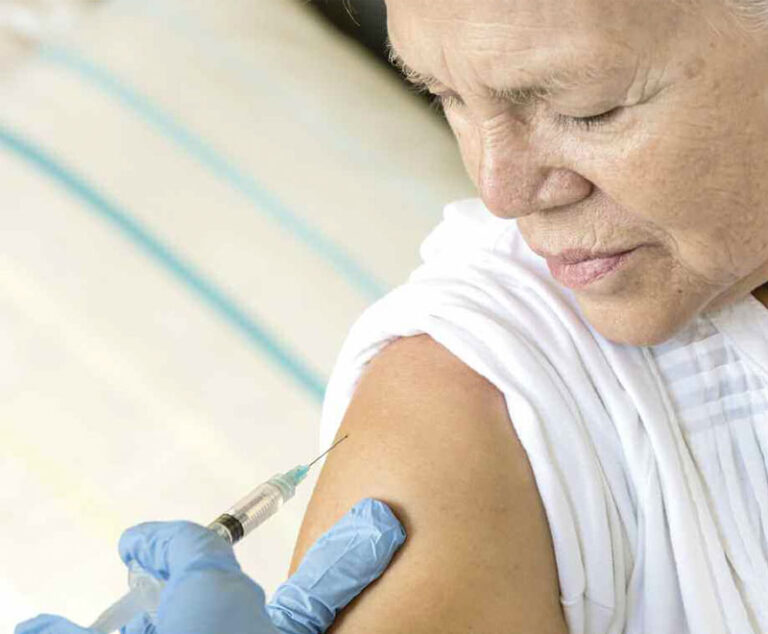
Influenza vaccination represents one of the most cost-effective treatment modalities available to the older adult population.
In the debate between personal freedom and government mandates, healthcare professionals are a reliable resource for vaccine information.