Perspectives
Professionals, Providers & Patients
Heather Bardeleben's symptoms didn't fit the textbook definition of heart disease, and her delayed diagnosis nearly cost her her life..
An interview with Dr. Nancy Sweitzer, an internationally recognized cardiologist, physician-scientist and clinical researcher who specializes in heart failure and transplant cardiology.
President and CEO of the Immune Deficiency Foundation, Jorey Berry, discusses the challenges and opportunities in the plasma industry.
An in-depth look at burgeoning therapeutic methods poised to change the way physicians treat key critical illnesses
When a rare disease nearly sidelined Andrew Green, off-label use of immune globulin restored his health and inspired him to become an advocate for patients facing similar challenges
David R. Rubinow, MD, professor and chair of psychiatry at the University of North Carolina School of Medicine and founding director of the UNC Center for Women’s Mood Disorders, has focused extensively on conditions like premenstrual dysphoric disorder.
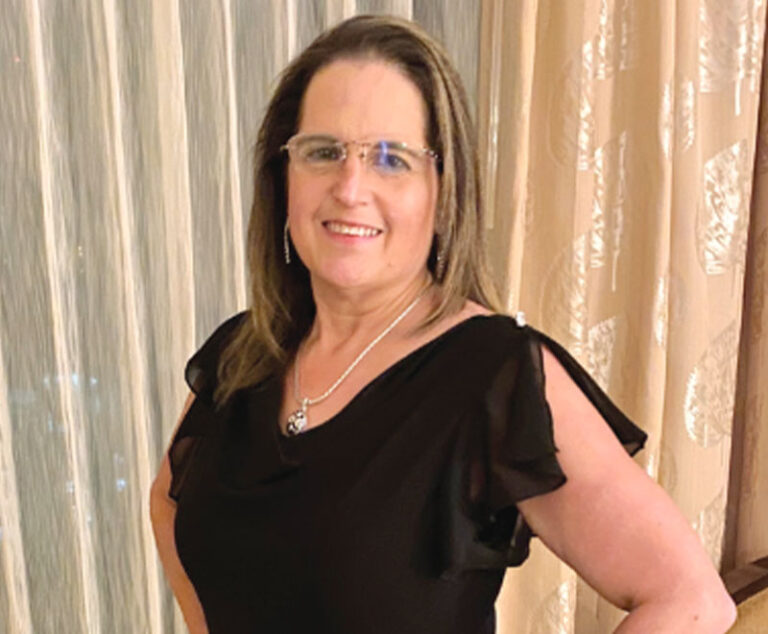
Sarah Gillespie lived under the shadow of a condition called premenstrual dysphoricdisorder, or PMDD for six long, difficult years.
Artificial intelligence is poised to change the practice of medicine and improve patient outcomes, but challenges remain.
This issue of BioSupply Trends Quarterly explores artificial intelligence, advancements in cardiac care and value-based care.
From personalized medicine and faster diagnostics to predictive analytics and streamlined clinical trials, AI is reshaping healthcare — fast.
Thanks to AI, today's patients are increasingly informed. Here's why clinicians should embrace them as valuable partners in the care process.
Chief Operations Officer Leslie Vaughan on how specialty infusion pharmacy Nufactor, Inc. keeps pace with the changing healthcare landscape by leveraging AI, exploring better plasma production processes and making sure every patient receives the best attention and help getting the immune globulin therapy they need.