
Plasma Exchange with 5% Albumin Associated with Marked Stabilization of Brain Perfusion in Alzheimer’s

Plasma exchange with 5% albumin replacement was associated with marked stabilization of brain perfusion in patients with mild to moderate Alzheimer’s disease during a 21-week treatment period and reduced perfusion loss compared to control subjects at six-month follow up, according to findings from a sham-controlled Phase II clinical trial.
Study Shows Fever During Pregnancy Increases Risk of Autism at Birth

Researchers at Columbia University in New York have found children born to mothers who experience fever, especially multiple fevers, during the second trimester of pregnancy are at increased risk for developing autism spectrum disorder (ASD).
Study Finds Antibiotics Can Weaken the Immune System
Researchers have found antibiotics can be counterproductive and weaken the immune system’s ability to fight off bacteria.
Subcutaneous Prophylaxis with Bispecific Monoclonal Antibody Reduces Bleeding Rate in Hemophilia A and Inhibitors
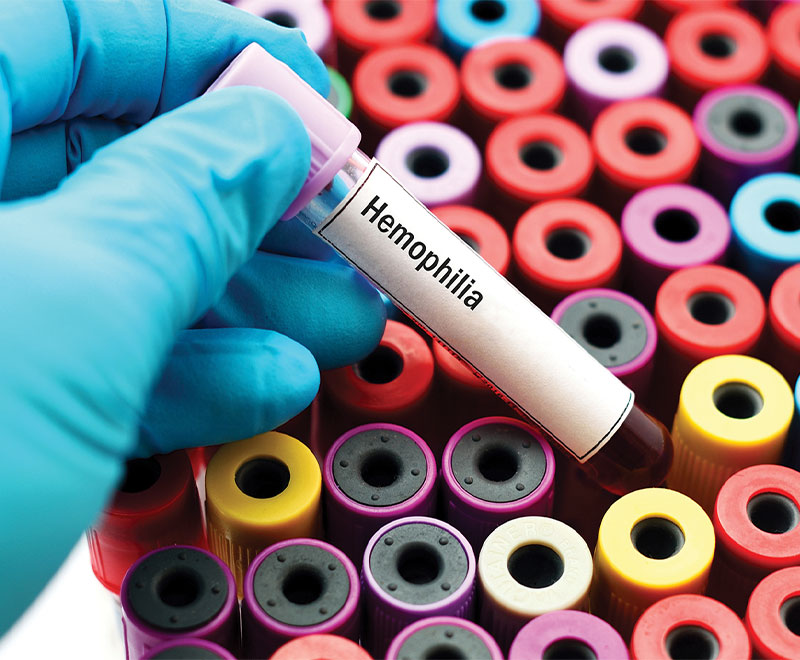
A Phase III study involving 109 male participants with hemophilia A and inhibitors showed that once-weekly subcutaneous prophylactic administration of an investigational bispecific humanized monoclonal antibody (emicizumab; ACE910) was associated with a significantly lower rate of bleeding events than no prophylaxis.
Study Shows a Positive Mood Could Boost Effectiveness of Flu Vaccine

Researchers at the University of Nottingham in England have found evidence that being in a positive mood when receiving an influenza (flu) vaccine can increase its protective effect.
Subcutaneous Immunoglobulin Well-Tolerated and Effective in Mild to Moderate Exacerbations of Myasthenia Gravis

Canadian investigators at the University of Alberta evaluated the use of self-administered subcutaneous immune globulin in a prospective, open-label, Phase III crossover trial in adult patients with myasthenia gravis experiencing mild to moderate worsening of symptoms.
NIH Grants $9 Million to Children’s Hospital Los Angeles for SCID Research
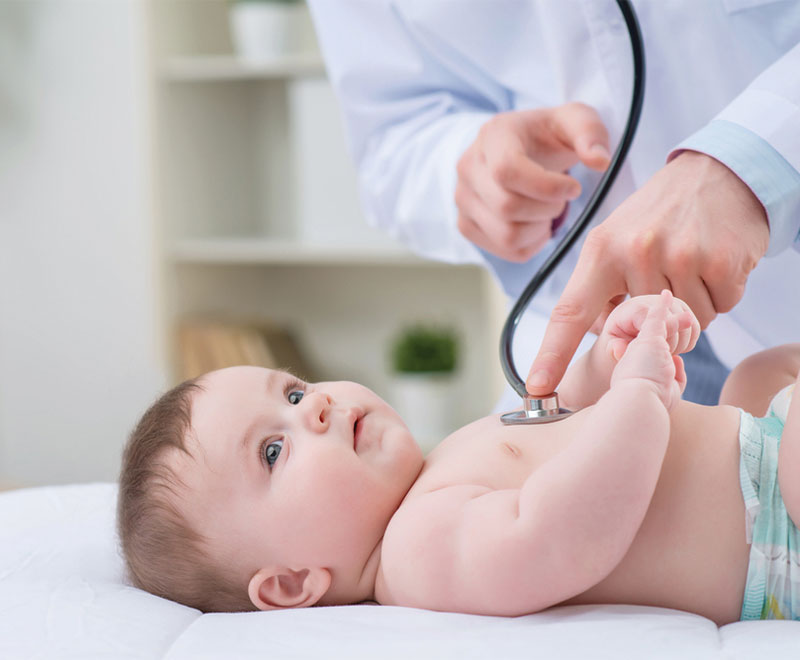
The National Institutes of Health’s National Institute of Allergy and Infectious Diseases division has awarded nearly $9 million to researchers from Children’s Center for Cancer and Blood Diseases at Children’s Hospital Los Angeles and Boston Children’s Hospital to study the lowest dose of chemotherapy needed for babies with severe combined immunodeficiency(SCID) undergoing bone marrow transplant, the standard treatment for SCID.
Recombinant Quadrivalent Flu Vaccine More Effective in Older Adults
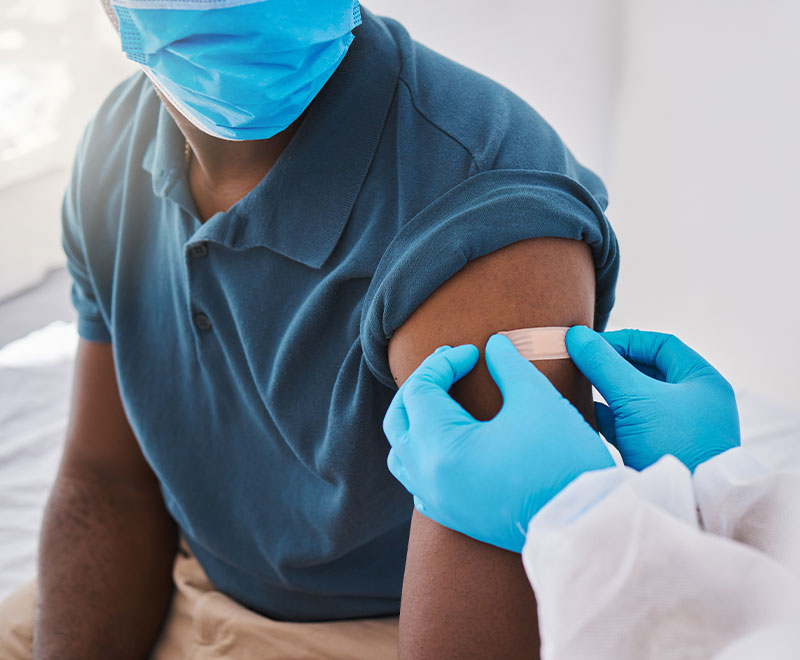
A clinical trial comparing the protective efficacy in older adults of a quadrivalent recombinant influenza vaccine with a standard-dose, egg-grown quadrivalent inactivated influenza vaccine during the A/H3N2-predominant 2014-2015 influenza season showed RIV4 provided better protection against confirmed influenza-like illness among older adults.
Report Shows Hospital-Acquired Conditions Continue to Decline

The Agency for Healthcare Research and Quality has released a preliminary update to the National Scorecard on Rates ofHospital-Acquired Conditions that show a 21 percent reduction in hospital-acquired conditions from 2010 to 2015.
Study Shows Microneedle Patch Influenza Vaccine Is Effective and Painless
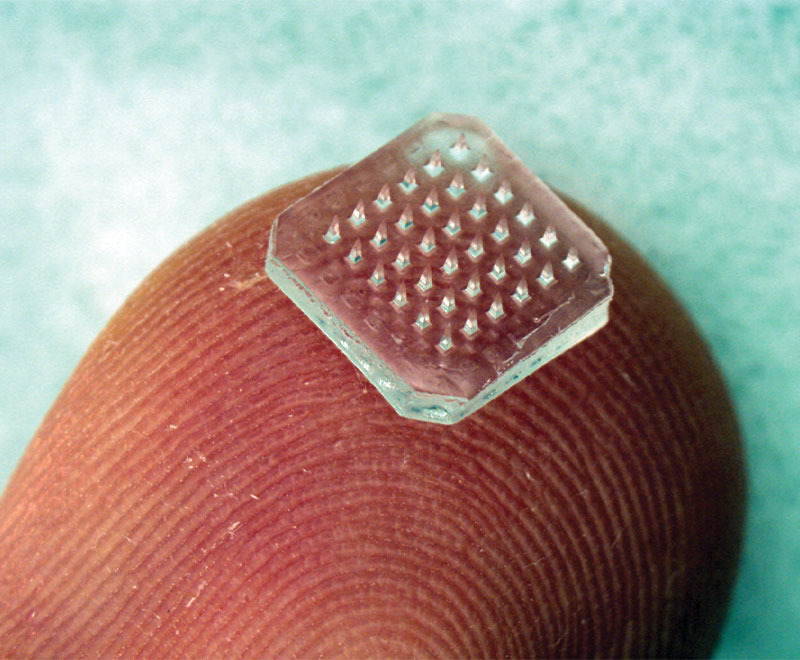
A new study shows that microneedle patches provide an alternative to conventional needle-and-syringe immunization, potentially offering improved immunogenicity, simplicity, cost-effectiveness, acceptability and safety.