As the number of cancer cases continues to rise, scientists are bringing to light exciting discoveries that are being used to create targeted therapies to treat and, it is hoped, to eventually cure cancer.
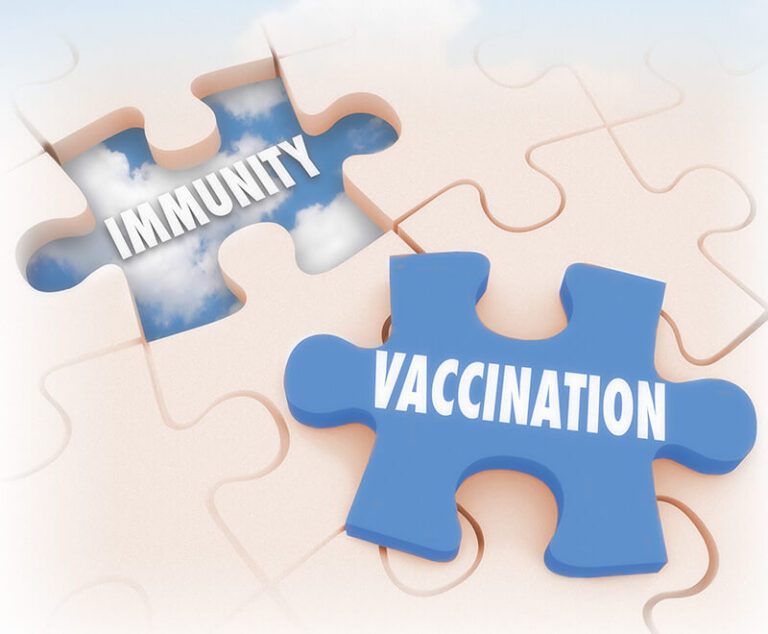
Recent U.S. Food and Drug Administration advisory committee strain recommendations could make this season’s influenza (flu) vaccine more effective than ever. But, will an epidemic of public apathy undermine immunization efforts?
The efficacy of influenza (flu) vaccines has been greatly improved over the past several decades, but the flu virus still severely sickens hundreds of thousands of individuals each year. Is it possible that scientists have discovered a way to change that?
The plasma donor is the first vital part of the process to produce safe and effective plasma protein therapeutics, and the industry prioritizes the safety and health of its plasma donors.
Although venomous snakebites are rare in the U.S. compared to other countries, they are still medical emergencies that need to be treated with today’s safe and effective methods.
A physician diagnoses the condition and either treats it or refers the patient to someone else for treatment. End of story. Or is that just the beginning of the story? Narrative medicine challenges the medical model by bringing a new tool to the table: the story of the patient.