A single-center proof-of-concept study was conducted to learn whether intravenous immunoglobulin (IVIG) can control acute cutaneous lupus erythematosus (CLE) and thus replace current systemic immunosuppressive therapy that causes severe side effects and adverse reactions.
With an estimated 79 million Americans currently infected with HPV and an additional 14 million infections occurring each year, why are U.S. vaccination rates stagnantly low?
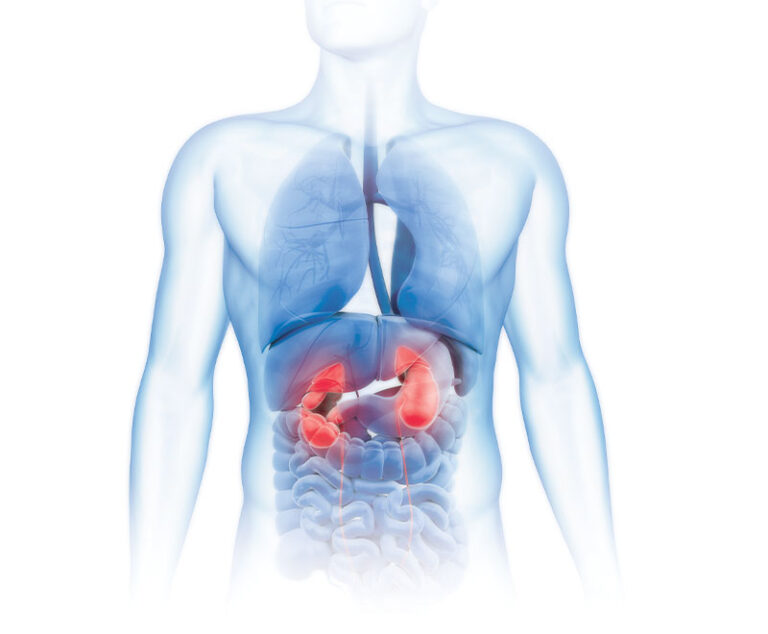
Chronic and acute kidney failure can be the result of many causes, and its prevalence is growing at historic rates, but it is no longer a death sentence.
Recent events have re-energized the ongoing debate about mandatory vaccines for children in the U.S. It remains to be seen which side of the controversy will prevail.
With more than 250 foodborne illnesses identified, it is often difficult to diagnose when a person has been infected to ensure proper treatment is prescribed.
Medicare appeals hearings from hospitals, doctors and other providers have been suspended by the Office of Medicare Hearings and Appeals (OMHA) because it has moved beneficiaries to the front of the line.
The U.S. Department of Health and Human Services (HHS) has launched the Transforming Clinical Practice Initiative, an $840 million investment over the next four years to support 150,000 clinicians.
A Kaiser Health News analysis showed that 55 percent of hospitals that were graded on the federal government's most comprehensive review of quality received bonuses, but fewer than 800 of those will actually receive the money.