With the combination of proven, robust preemptive pathogen reduction and constant vigilance by industry and drug regulators, plasma products can be prescribed with more confidence than ever.
In recent years, the medical specialty of women’s health has evolved beyond the basics of childbirth, breast cancer and bone density tests to encompass a spectrum of proactive screenings designed to prevent disease and prolong life.
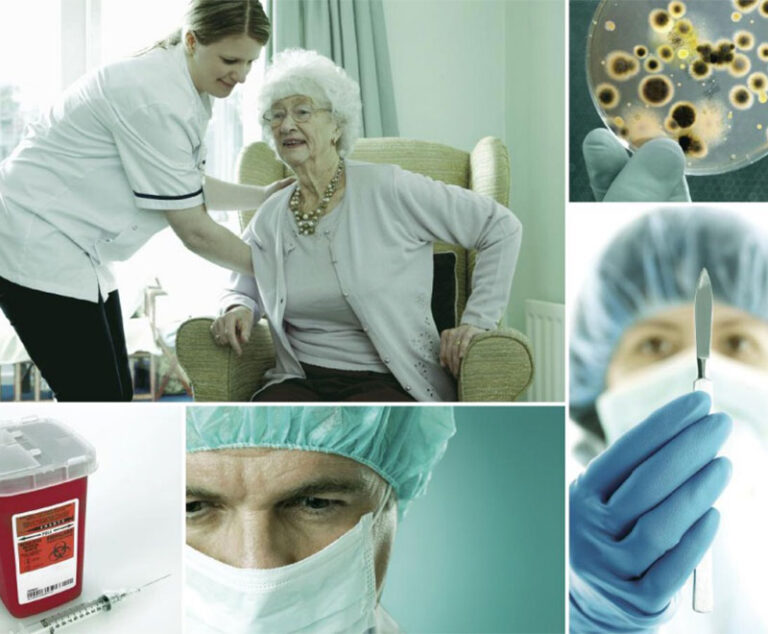
From bloodborne pathogens to biological dangers, healthcare workers face a daunting number of safety hazards. Proper training, increased awareness and more stringent safeguards can help minimize the risks.
Fake medicines are a serious threat to public health due to their growing involvement in the medical supply chain. But organizations across the world are working to stymie trafficking of these illegal and dangerous drugs.
There is some debate among immunologists as to whetherIG therapy prescribed to treat adults diagnosed with immunedeficiencies should be temporarily halted to determine its necessity.Here, two experts present their sides of the issue.
Studies that examine the relationships between therapeutic doses of IG, trough IgG levels and infection rates shed new light on how IG replacement therapy should be prescribed for individuals.
From genetic assessment and prediction modeling to the study of genetics and genomics and the formulation of palliative care and self-management plans, the search for better cancer treatment and care is progressing rapidly.