Industry Insight
Information, Observation & Analysis
Stroke is the third-leading cause of death in the U.S. due simply to ignorance about its symptoms, but that can change by separating the myths about the disease from the facts.
An adjuvanted influenza vaccine to protect the young and elderly may be just around the corner in the U.S.
Imagine a plague that wipes out the entire population of Chicago. Implausible? Without vaccines, that’s the number of people — three million to be specific — who would die each year from vaccine-preventable diseases.
Despite international concern over Fukushima’s nuclear accident, comparing it with the 1986 accident in Chernobyl reveals that immediate medical intervention is not needed. However, if it were, techniques are available to counteract the radiation’s effects.

Misconceptions about fibromyalgia have thrived since the early 1800s, but today it is recognized as a medical condition that is becoming more widely accepted and understood.
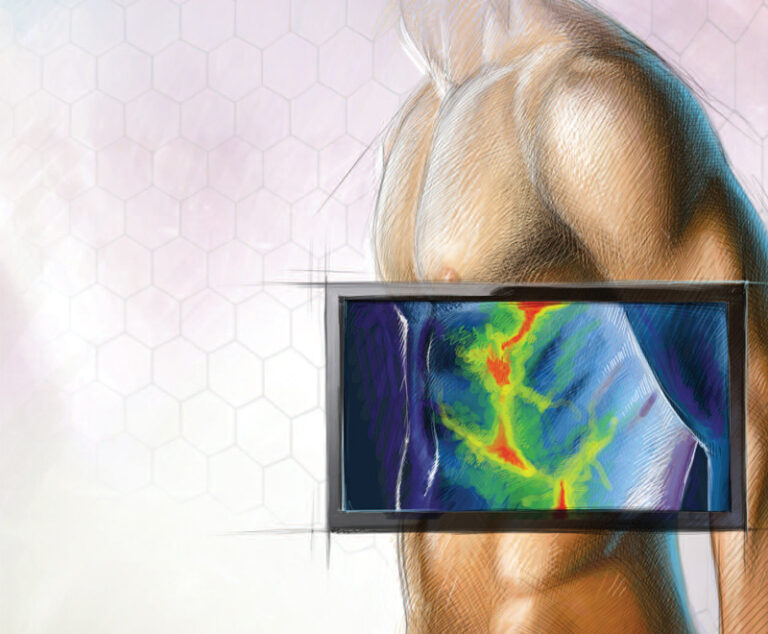
Already decades old, techniques for molecular imaging may hold clues to treatment or cures for currently intractable diseases.
The use of the less-common hyperimmune globulins is rare, but as three cases describe, they are lifesaving.
From the eradication of smallpox to the potential development of a preventive vaccine for AIDS, immunization is a lifesaving innovation that has proven to be the most transformative public health achievement of the 20th century.
Misconceptions about antibiotics, once known as "miracle drugs," result in their misuse and overuse, which has become a worldwide health problem.
Traditionally used as a preventive measure against a variety of diseases, vaccines are now being used to diagnose immune-deficient patients, and research is being conducted to use vaccines to treat immune and autoimmune diseases.