Industry News
Research, Science & Manufacturer Updates
Cancer Articles
Researchers at the Moffitt Cancer Center are developing a new vaccine that will help early-stage breast cancer patients who have HER2 positive disease.
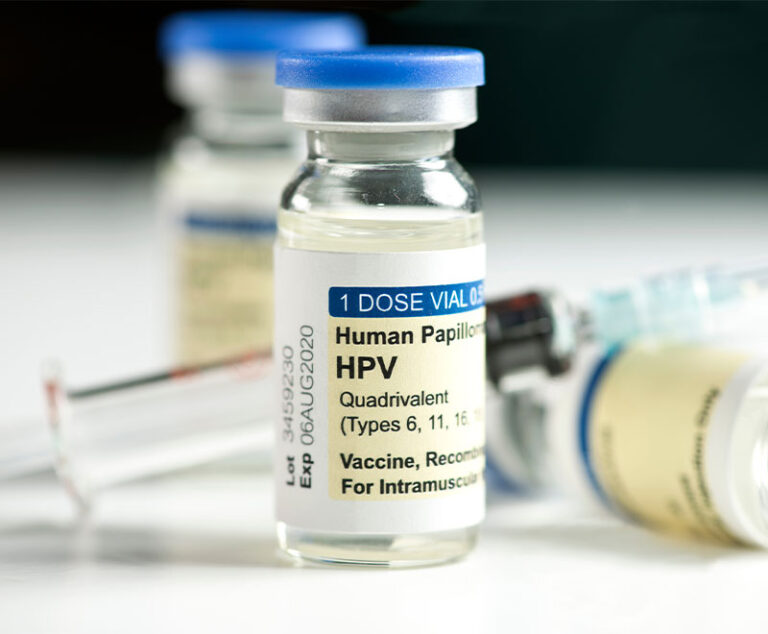
The Advisory Committee on Immunization Practices has changed its recommendation for the human papilloma virus from three doses to two doses of the vaccine prior to age 15.
The U.S. Department of Health andHuman Services has selected nearly 200 physician group practices and 17health insurance companies to participate in a care delivery model that supports and encourages higher quality and more coordinated cancer care.
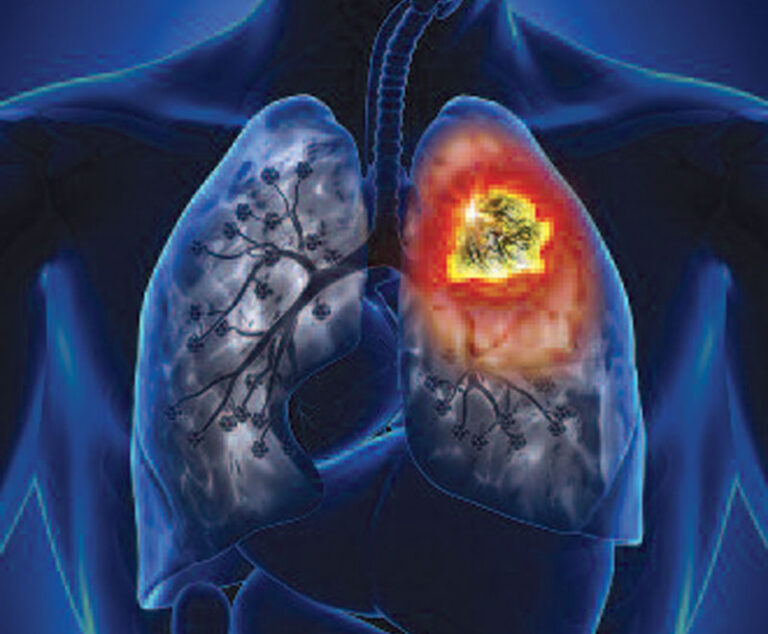
A lung cancer vaccine developed in Cuba has been approved by the U.S. Food and Drug Administration for a clinical trial at Roswell Park Cancer Institute in Buffalo, N.Y.
Scientists at Yale have uncovered a molecular mechanism that causes variants in a specific immune response gene known as MIF (macrophage migration inhibitory factor).
Scientists from Harvard, MIT and University College London have made a discovery about the genetics of cancer tumors that could offer a new way to deliver customized immunotherapy drugs to kill all types of cancer, including the most complex such as melanoma and lung cancer.
The U.S. Food and Drug Administration granted accelerated approval for pembrolizumab (Keytruda, Merck & Co.) for treatment of patients with advanced (metastatic)
non-small cell lung cancer.
University of Cincinnati researchers have discovered that a human cancer-causing gene, called DEK, can be detected in the plasma of head and neck cancer patients.
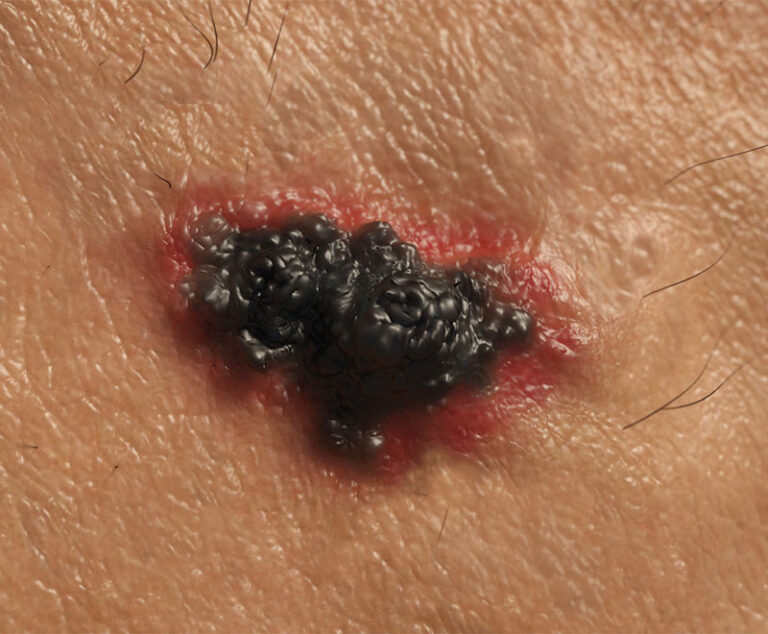
The U.S. Food and Drug Administration (FDA) approved Bristol-Myers Squibb’s Opdivo (nivolumab) in combination with Yervoy (ipilimumab) for the treatment of advanced melanoma.
Hailed as a major advancement in the fight against skin cancer, the U.S. Food and Drug Administration (FDA) has approved a new immune-based therapy for treating metastatic melanoma.
In a first-in-people clinical trial, personalized tailor-made melanoma vaccines given to three patients with advanced melanoma appeared to increase the number and diversity of cancer-fighting T cells responding to the tumors.
Researchers have identified a Parkinson’s gene that is associated with lung cancer.