Investigators at the Icahn School of Medicine at Mount Sinai have designed an RNA-based strategy to activate dendritic cells, which play a key role in immune response, that eradicated tumors and prevented their recurrence in mouse models of melanoma.
A new study shows that a personalized messenger RNA (mRNA) cancer vaccine plus the checkpoint inhibitor Keytruda (pembrolizumab) reduced the risk of recurrence or death in people with high-risk advanced melanoma.
Adding an experimental mRNA-based vaccine developed by Moderna and Merck & Co to Keytruda reduced the risk that melanoma would spread by 65 percent over treatment with the immunotherapy drug alone, according to a midstage trial.
Regen BioPharma has filed a provisional patent application covering utilization of dendritic cell technologies to augment efficacy of its patented mRNA cancer immunotherapeutic vaccine.
A Phase III clinical trial has found tumor-infiltrating lymphocyte therapy, a new treatment for advanced melanoma, was more effective than ipilimumab, the lading existing therapy.
U.S. researchers have developed a new mRNA vaccine against cancer that delivers the drug directly to the lymphatic system and simulates a strong immune response.
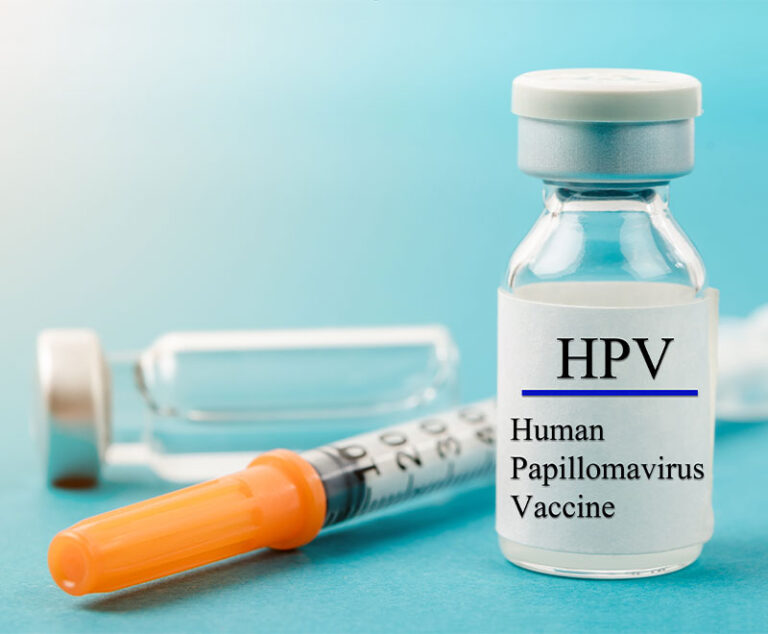
A study that examined data from more than 73,000 girls and women shows vaccines designed to prevent infection with human papillomavirus (HPV) are effective in protecting against precancerous cervical lesions in women, particularly in those vaccinated between age 15 and 26 years.
Merck’s Gardasil 9 human papillomavirus (HPV) vaccine has been approved by the U.S. Food and Drug Administration (FDA) for an expanded indication for men and women between the ages of 27 years and 45 years.