Industry News
Research, Science & Manufacturer Updates
Disease Indications Articles
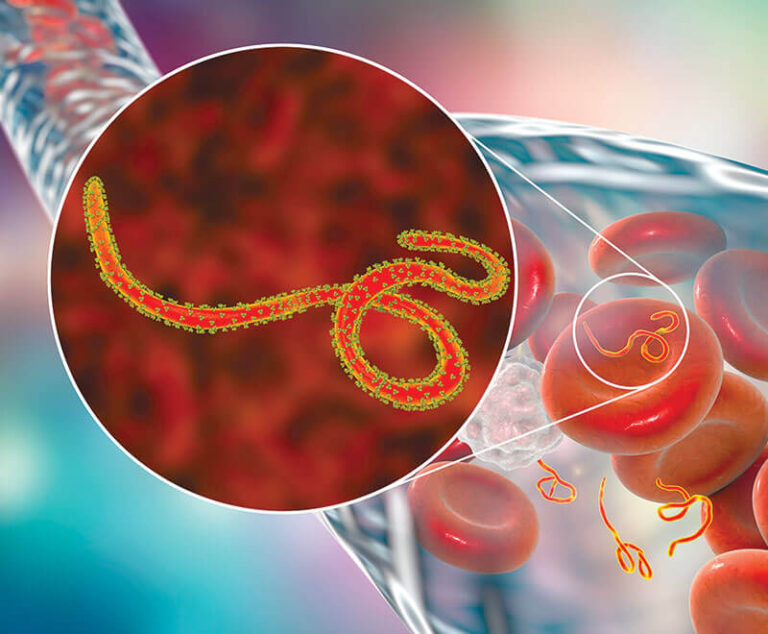
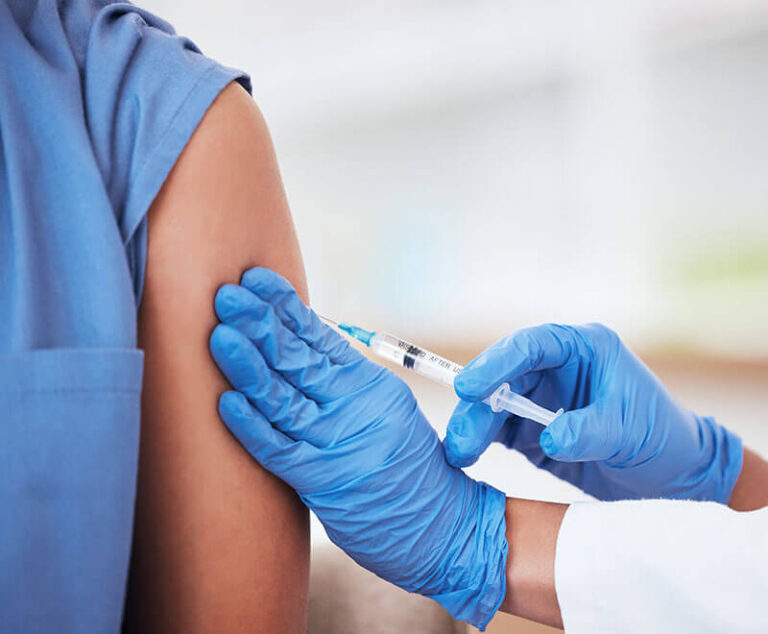
An expanded indication for ERVECO for the prevention of disease caused by Zaire ebolavirus in individuals 12 months of age and older has been approved by the U.S. Food and Drug Administration.
A recent study has found chronic immune-related side effects are common in patients with skin cancer who are treated with postsurgical Opdivo (nivolumab) or Keytruda (pembrolizumab), although for some individuals, these toxicities resolve by the 18-month mark.
Recent case series findings, as well as previous studies, show that children with multisystem inflammatory syndrome (MIS-C) who present with signs of active neurological symptoms may show improvement with intravenous immune globulin (IVIG) and corticosteroids.
A new study conducted at the University of Texas Health Science Center at Houston found that people who received shingles and pneumonia vaccines — along with tetanus and diphtheria — had as much as a 30 percent reduced risk of developing Alzheimer's the most common type of dementia.
Pfizer's ABRYSVO, a respiratory syncytial virus (RSV) vaccine, has been approved by the U.S. Food and Drug Administration for the prevention of lower respiratory tract disease (LRTD) and severe LRTD caused by RSV in infants from birth up to 6 months of age by active immunization of pregnant women at 32 through 36 weeks gestational age.
A large clinical trial of Eli Lilly's experimental Alzheimer's medication, donanemab found the drug slowed declines in patients' ability to think clearly and perform daily tasks by more than a third.
A study evaluating intravenous immune globulin for the treatment of dermatomyositis has found it significantly improved patient outcomes.
The World Health Organization has prequalified the first malaria vaccine, RTS,S/AS01 (also known as Mosquirix), manufactured by GSK, bringing it closer to reaching millions more children at risk of malaria.
Results of a recent study shows Pfizer's experimental vaccine for respiratory syncytial virus is nearly 86 percent effective in preventing severe illness in older adults.
An experimental vaccine shows promise for protecting mice from the respiratory syncytial virus, the pathogen that most commonly causes the chest infection bronchiolitis in young children.
The World Health Organization has published its first guideline for Ebola virus disease therapeutics, with new strong recommendations for the use of two monoclonal antibodies.
In a Phase II trial of participants with hepatic disease associated with congenital alpha1-antitrypsin deficiency, subcutaneous administration of fazirsitran, an investigational RNA interference therapeutic, reduced both serum and hepatic levels of the mutant hepatotoxic AAT protein Z-AAT, with concurrent improvements in enzymatic and histological markers of liver function.