The U.S. Food and Drug Administration has approved Tyenne (tocilizumab-aazg), a biosimilar referencing tocilizumab (Actemra; Genentech), to treat multiple autoimmune diseases, including rheumatoid arthritis and juvenile idiopathic arthritis.
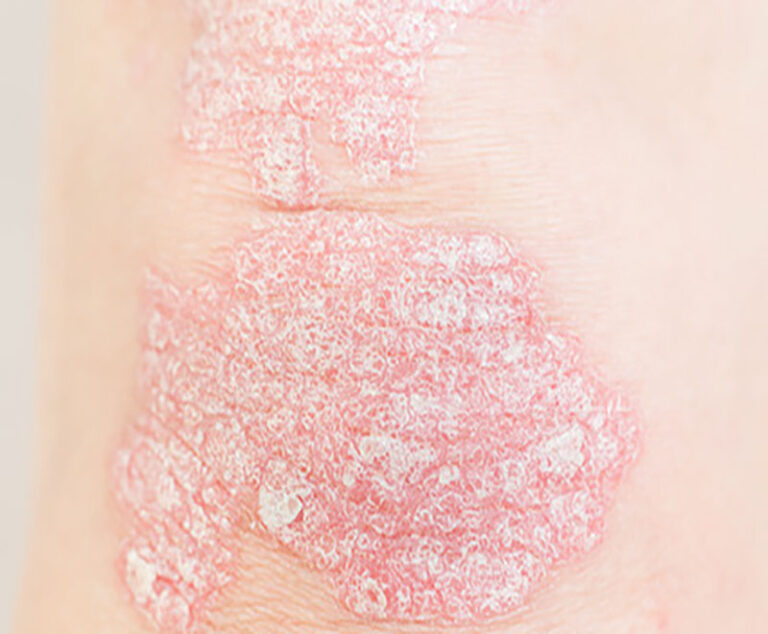
The U.S. Food and Drug Admini-stration has approved Selarsdi (ustekinumab-aekn) injection for subcutaneous use, as a biosimilar to Stelara, for the treatment of moderate to severe plaque psoriasis and for active psoriatic arthritis in adults and pediatric patients 6 years and older.
Researchers at the University of California, San Francisco, have identified a specific pattern of autoantibodies in the blood that precedes the clinical onset of multiple sclerosis.
The U.S. Food and Drug Administration (FDA) has granted orphan drug exclusivity for Octapharma’s wilate, von Willebrand factor/coagulation factor VIII complex (human) lyophilized powder for solution for intravenous injection, for routine prophylaxis to reduce the frequency of bleeding episodes in adults and children 6 years of age and older with von Willebrand disease (VWD).
A new vaccine may help speed up the process of making antibodies against SARS-CoV-2 by using preexisting immunity to a separate virus (the influenza virus).
A recent study has found that a commercially available plasma p-tau217 (phosphorylated tau 217) immunoassay accurately identified biological Alzheimer’s disease (AD).
In a study, researchers found that fSCIG 10% was more effective in preventing CIDP relapse than placebo, supporting its potential use as maintenance CIDP treatment.
A team of Australian investigators conducted a retrospective cohort study to determine whether there is a significant benefit in more severely affected cases regularly infused with albumin.
The combination of intravenous immune globulin (IVIG) and corticosteroids is a more efficient and rapid treatment for relapsed immune thrombocytopenic purpura (ITP) in adults compared with the use of either therapy alone.
A study has found that early albumin administration in septic shock patients with ARDS was independently associated with a reduction in 28-day mortality.