Industry News
Research, Science & Manufacturer Updates
Baxter Healthcare’s Tisseel fibrin sealant product was evaluated to assess its safety and efficacy for atraumatic mesh fixation in inguinal hernia repair.
Many questions remain unanswered about the healthcare reform recently enacted into law, but here's what we do know.
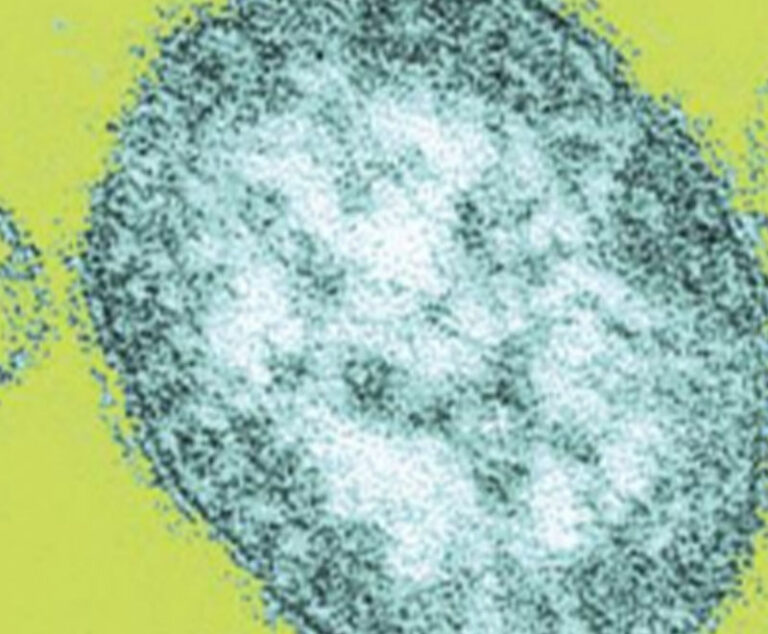
The California Department of Public Health released a health advisory in April 2010 concerning a potential measles outbreak.
Scientists were able to reduce development and progression of rheumatoid arthritis in a mouse model by injecting an adeno-associated virus vector that expresses human alpha-1 antitrypsin together with a diet containing the drug doxycycline.
The U.S. Food and Drug Administration and the European Medicines Agency has launched a bilateral Good Clinical Practices Initiative, designed to ensure that clinical trials submitted in drug marketing applications in the United States and Europe are conducted uniformly, appropriately and ethically.

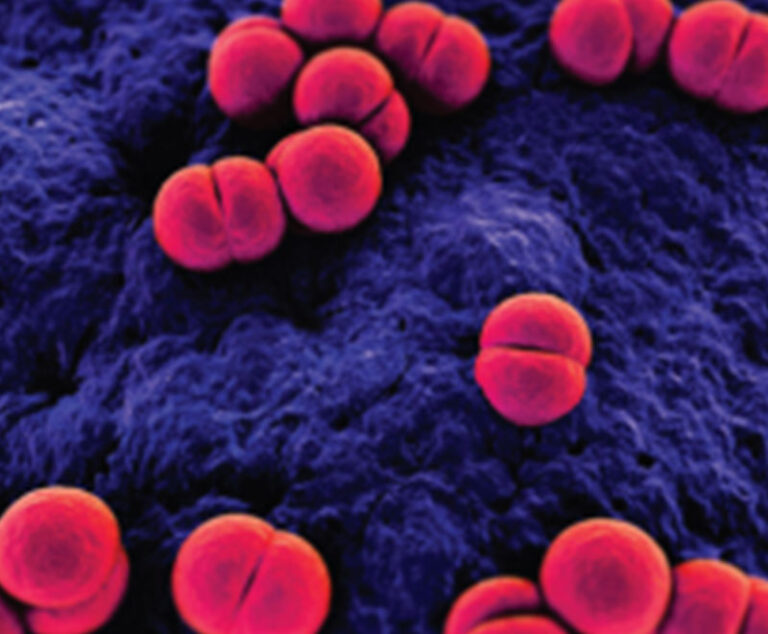
The Food and Drug Administration has approved Menveo, a quadrivalent meningococcal conjugate vaccine for individuals 11 to 55 years of age.
In addition to the new health insurance reform law, states are looking into some of the most important issues that affect patients’ access to care.
According to Dutch investigators, weekly or twice-weekly infusions of subcutaneous immunoglobulin at home were able to maintain muscle strength in four of five patients with multifocal motor neuropathy who were crossed over from IVIG maintenance therapy.
A team at Johns Hopkins Hospital has documented that therapeutic plasma exchange (TPE) with 5% albumin replacement reduced ABO titers sufficiently to permit transplants of ABO-incompatible (ABO-I) kidneys.
The U.S.Food and Drug Administration has approved wilate for the treatment of spontaneous and trauma-induced bleeding episodes in patients with all types of von Willebrand disease.
Updates on recent agreements, acquisitions and investments in the pharmaceutical industry.
A review of all cases between 2004 and 2007 admitted to the Aga Khan University Hospital showed that one of 12 infants (8 percent) who additionally received high-dose (2 gram/kg) IVIG died during their hospitalization.