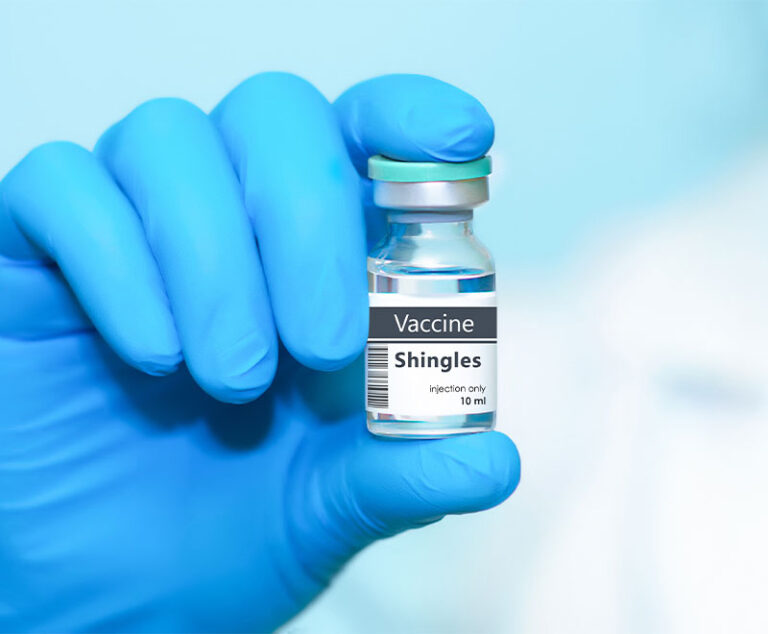
A randomized Phase III study (ZOE-70) of GlaxoSmithKline’s investigational shingles vaccine, Shingrix, showed 90 percent efficacy in adults aged 70 years and older that is maintained for at least four years.
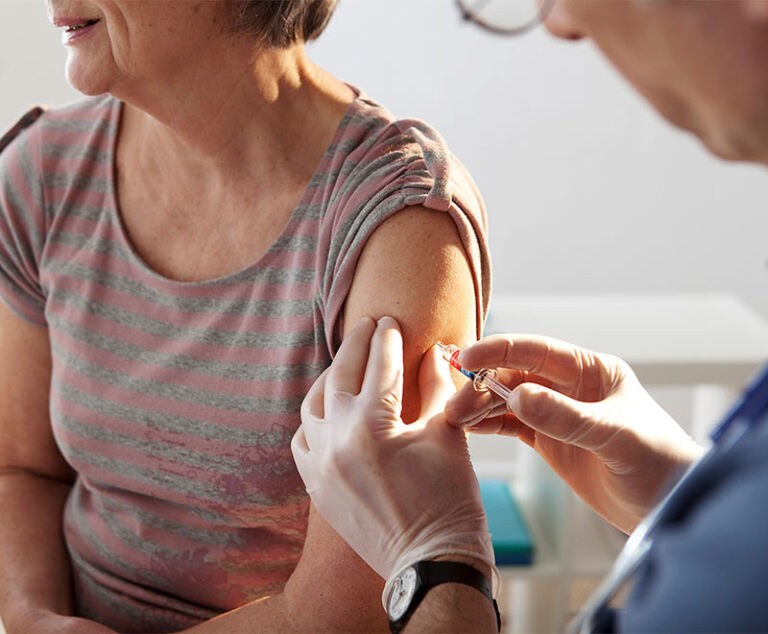
Researchers found that flu vaccines are more effective when given in the morning because patients’ immune systems are capable of producing more antibodies in response to the vaccine in the first part of the day.
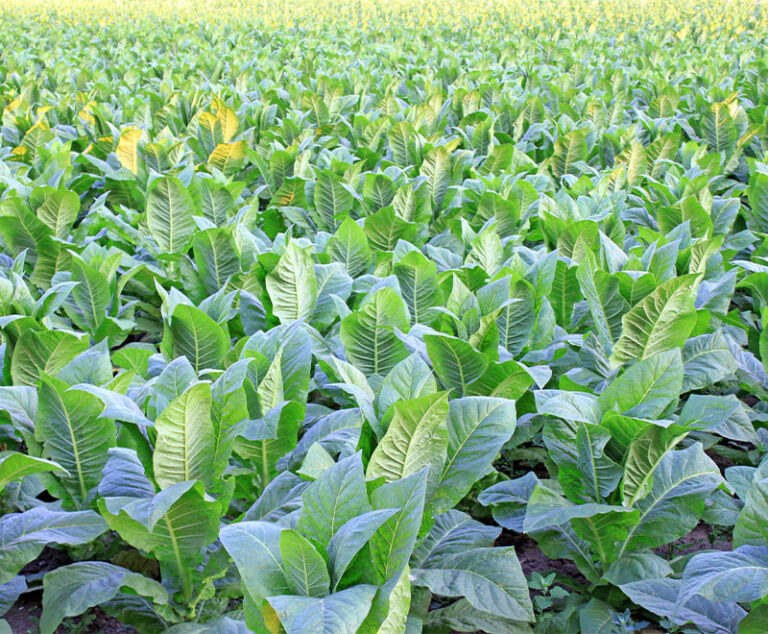
A new tobacco-based seasonal influenza vaccine being developed by Mitsubishi Tanabe Pharma and currently in Phase III studies could potentially rival traditional chicken egg-based vaccines.
A new form of hybridized sound waves developed by Australian researchers may allow drugs and vaccines to be delivered to the body through a nebulizer in a fine mist inhaled into the lungs.
Two studies presented at the International Conference on Emerging Infectious Diseases show that the influenza vaccine can protect for six months, last throughout the flu season and reduce hospitalization in children.
A new study shows that people who receive a shingles vaccine but still contract shingles have a lower risk of developing post-herpatic neuralgia (PHN).
In a first-in-people clinical trial, personalized tailor-made melanoma vaccines given to three patients with advanced melanoma appeared to increase the number and diversity of cancer-fighting T cells responding to the tumors.
At its annual meeting in June, the American Medical Association (AMA) adopted a new policy to seek more stringent state immunization requirements to allow exemptions only for medical reasons.