Industry News
Research, Science & Manufacturer Updates
Cancer Articles
A new study led by a team of researchers at Moffitt Cancer Center reveals lymphoma can accelerate the biological aging of the immune system and other tissues, providing new insight into how cancer reshapes the body beyond tumor growth.
Results of a Dana-Farber Cancer Institute-initiated Phase I clinical trial for patients with melanoma show that an updated formula and delivery of the NeoVax personalized cancer vaccine called NeoVaxMI is safe, feasible and improves the vaccine-specific immune response compared to previous trials of the platform.
Pembrolizumab, an immune checkpoint inhibitor, has been approved by the U.S. Food and Drug Administration (FDA) to treat patients with resectable locally advanced head and neck squamous cell carcinoma whose tumors express PD-L1 (combined positive score [CPS] ≥1) as determined by an FDA-approved test.
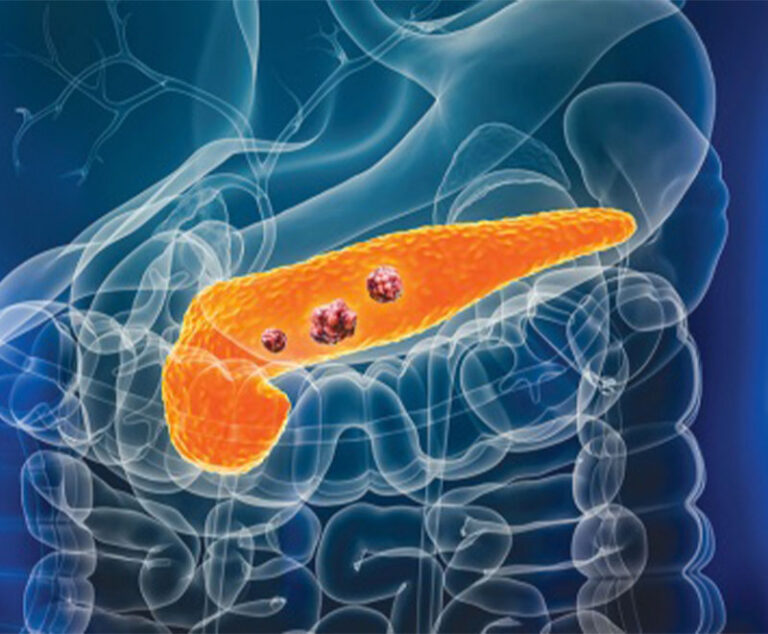
A new study published in the journal Nature found that a personalized vaccine, named autogene cevumeran, is showing promising results for treating pancreatic cancer, one of the deadliest malignancies.
Scientists at the University of Cambridge, who have been investigating how certain common medications might hold back the movement of cancer cells, have found that daily low-dose aspirin use could curb the spread of certain cancers, including breast and prostate tumors.
The U.S. Food and Drug Administration (FDA) has granted fast track designation for its lead clinical-stage program, IMM-1-104, as a treatment for patients with unresectable or metastatic NRAS-mutant melanoma who have progressed on or are intolerant to PD-1/PD-L1-based immune checkpoint inhibitors.
Scientists from RMIT University and the Doherty Institute in Australia have developed a new blood test that could screen cancer patients to help make their treatment safer and more effective.
Results of a trial of GSK’s experimental cancer drug Blenrep showed that the drug used in combination with other treatments reduced the risk of death by 42 percent in multiple myeloma, at or after first relapse, compared to an existing treatment.
An mRNA vaccine has entered human trials as a treatment for lung cancer. Unlike traditional cancer vaccines such as the HPV vaccine, BNT116 is a therapeutic cancer vaccine designed to reduce tumor growth in patients with cancer or prevent its recurrence.
An investigational, individualized neoantigen therapy, with personalized encoded mRNA, has demonstrated potential to enable patients’ immune systems to target cells that cause cancer.
The U.S. Food and Drug Administration has approved a blood test to screen for colorectal cancer in individuals aged 45 and older with an “average risk” of colon cancer.
The U.S. Food and Drug Administration has approved Bristol Myers Squibb’s repotrectinib (Augtryo) for the treatment of adult patients with locally advanced or metastatic ROS1-positive non-small cell lung cancer.