A final rule issued by the U.S. Department of Health and Human Services allows insurers to once again sell short-term health insurance for up to 12 months, as well as makes the plans renewable for up to three years.
The Centers for Medicare and Medicaid Services adopted an interim final rule to restore $10.4 billion in funding to insurers to help them provide coverage to sick and
costly enrollees.
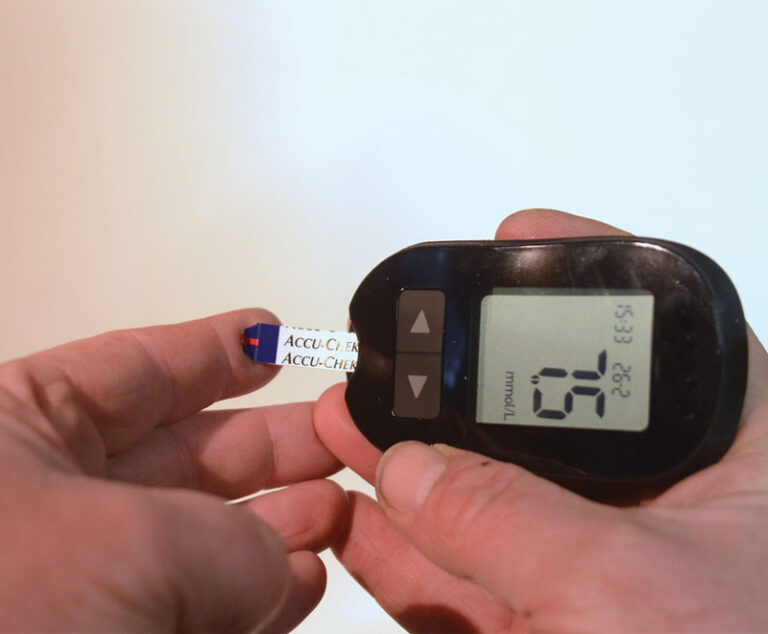
A recent study shows two injections of the bacillus Calmette-Guérin (BCG) vaccine a few weeks apart may reverse the causes of type 1 diabetes over several years.
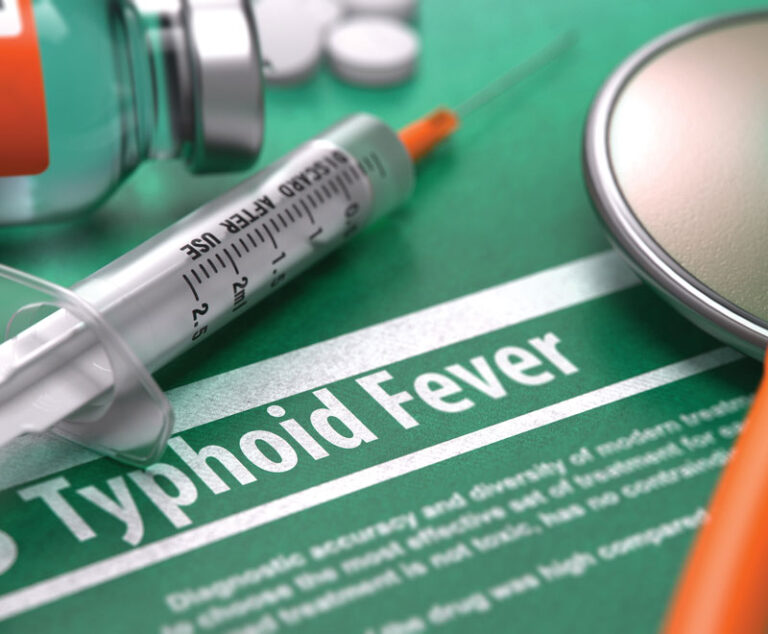
The World Health Organization is recommending a single dose of the typhoid conjugate vaccine (Typbar-TCV) for use in infants and children older than 6 months and a catch-up vaccine in children up to 15 years in countries where the infection is endemic.
Researchers at the TCD School ofMedicine and the National Children’sResearch Centre in Ireland have discovered a distinct immune response in newborns that could lead to both earlier vaccine administration and reduced need for multiple booster shots.
Researchers at the La Jolla Institute for Allergy and Immunology have found individuals who had been inoculated with the newer pertussis (whooping cough) vaccine as part of their initial series of shots mount a weaker recall response when receiving booster shots later on.
The U.S. Food and Drug Administration has approved Erleada (apalutamide) to treat men with prostate cancer that has not yet spread but has a quickly rising PSA level while on treatment with hormone therapy, which causes concern for cancer growth and spread.
The Centers for Disease Control andPrevention is warning about a shortage of Shringrix, the newest shingles vaccine recommended for individuals 50 years and older, due to greater-than-expected demand.
The Infectious Diseases Society of America (IDSA) and Society for Healthcare Epidemiology of America (SHEA) have updated guidelines for diagnosis and management of Clostridium difficile (C. diff).
A longitudinal study of Canadian boys with severe hemophilia showed that tailored frequency-escalated prophylaxis results in minimal long-term arthropathy and very good health outcomes, while reducing the quantity of costly clotting factor as compared with standard prophylaxis protocols.
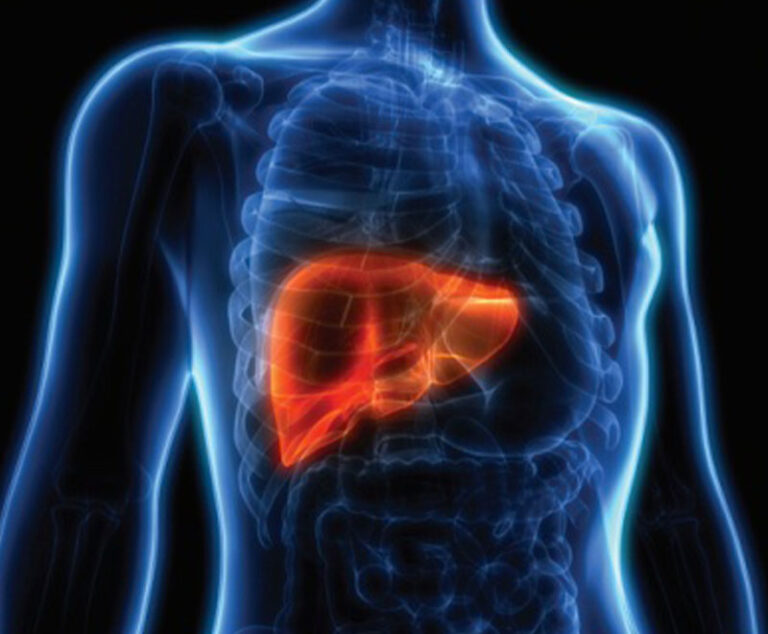
Results from a clinical trial have led investigators to conclude adding longterm administration of human albumin to conventional treatment inpatients with decompensated cirrhosis appears to prolong survival.