Industry News
Research, Science & Manufacturer Updates
Therapeutics Articles
The U.S. Food and Drug Administration (FDA) has approved a new, single-dose medication to treat people 12 years and older who have had the flu for no more than 48 hours.
The U.S. Food and Drug Administration has approved Erleada (apalutamide) to treat men with prostate cancer that has not yet spread but has a quickly rising PSA level while on treatment with hormone therapy, which causes concern for cancer growth and spread.
The Infectious Diseases Society of America (IDSA) and Society for Healthcare Epidemiology of America (SHEA) have updated guidelines for diagnosis and management of Clostridium difficile (C. diff).
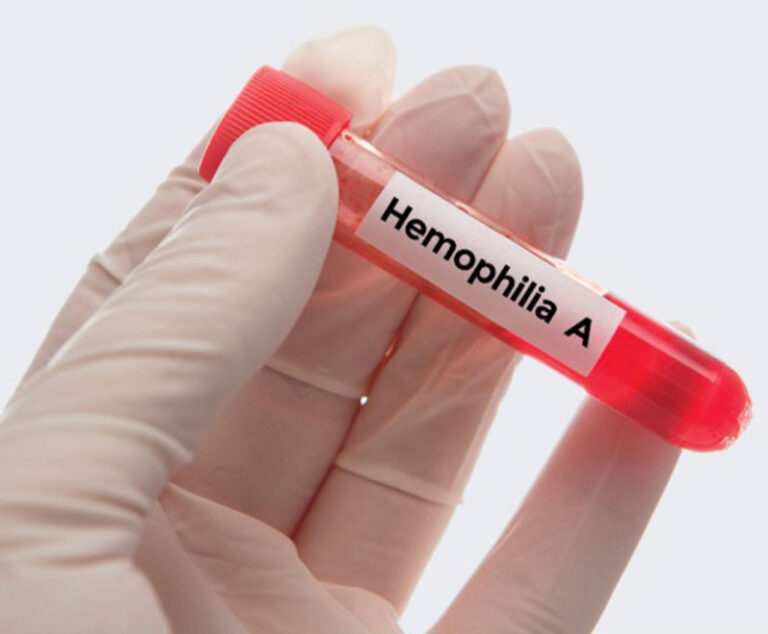
A longitudinal study of Canadian boys with severe hemophilia showed that tailored frequency-escalated prophylaxis results in minimal long-term arthropathy and very good health outcomes, while reducing the quantity of costly clotting factor as compared with standard prophylaxis protocols.

Results from a clinical trial have led investigators to conclude adding longterm administration of human albumin to conventional treatment inpatients with decompensated cirrhosis appears to prolong survival.
The Infectious Diseases Society of America (IDSA) and Society for Healthcare Epidemiology of America (SHEA) have updated guidelines for diagnosis and management of Clostridium difficile (C. diff).
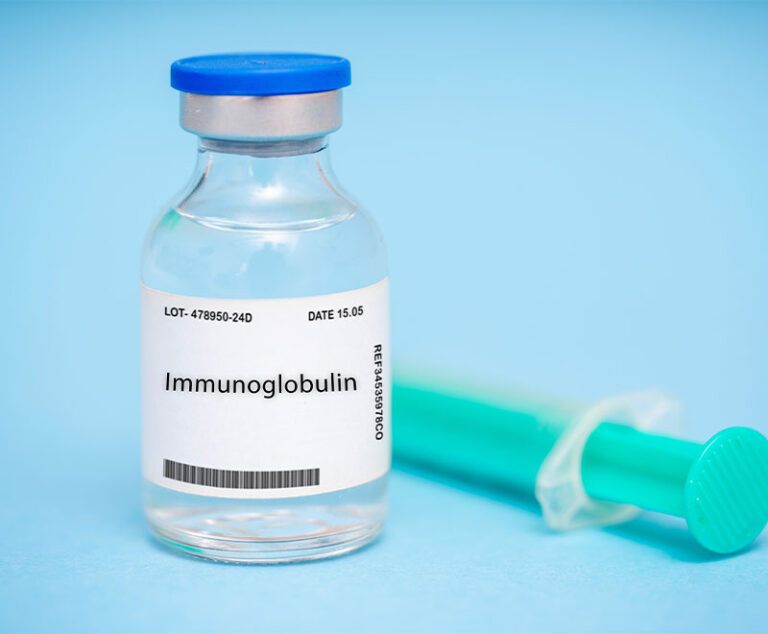
Grifols’ higher-potency rabies immune globulin (RIG), HyperRAB S/D, was made available to healthcare providers
Discontinuation of the product is due to the preference among healthcare professionals and patients for newer, more advanced immune globulin options.
The U.S. Food and Drug Administration has approved Shire’s VONVENDI, a recombinant von Willebrand factor treatment for perioperative management of bleeding in adults 18 years and older with von Willebrand disease.
Researchers have found antibiotics can be counterproductive and weaken the immune system’s ability to fight off bacteria.
A multidisciplinary team of investigators based in New Delhi randomized 120 patients with liver cirrhosis and overt hepatic encephalopathy (HE) to receive oral lactulose therapy or oral lactulose plus 1.5 g/kg/day of human albumin. The primary study endpoint was complete reversal of HE; secondary endpoints included mortality and length of hospital stay.
Australian investigators tested the ability of intravenous immune globulin to protect against potential pandemic influenza virus in outbred ferrets, which are naturally susceptible to human influenza viruses and considered a relevant small animal model of human influenza infection.